Rhino protection where it is needed
So that rhinos are still here tomorrow.
future4rhinos helps independently of any single project, wherever rhinos need protection, in close contact with conservation organisations on the ground.
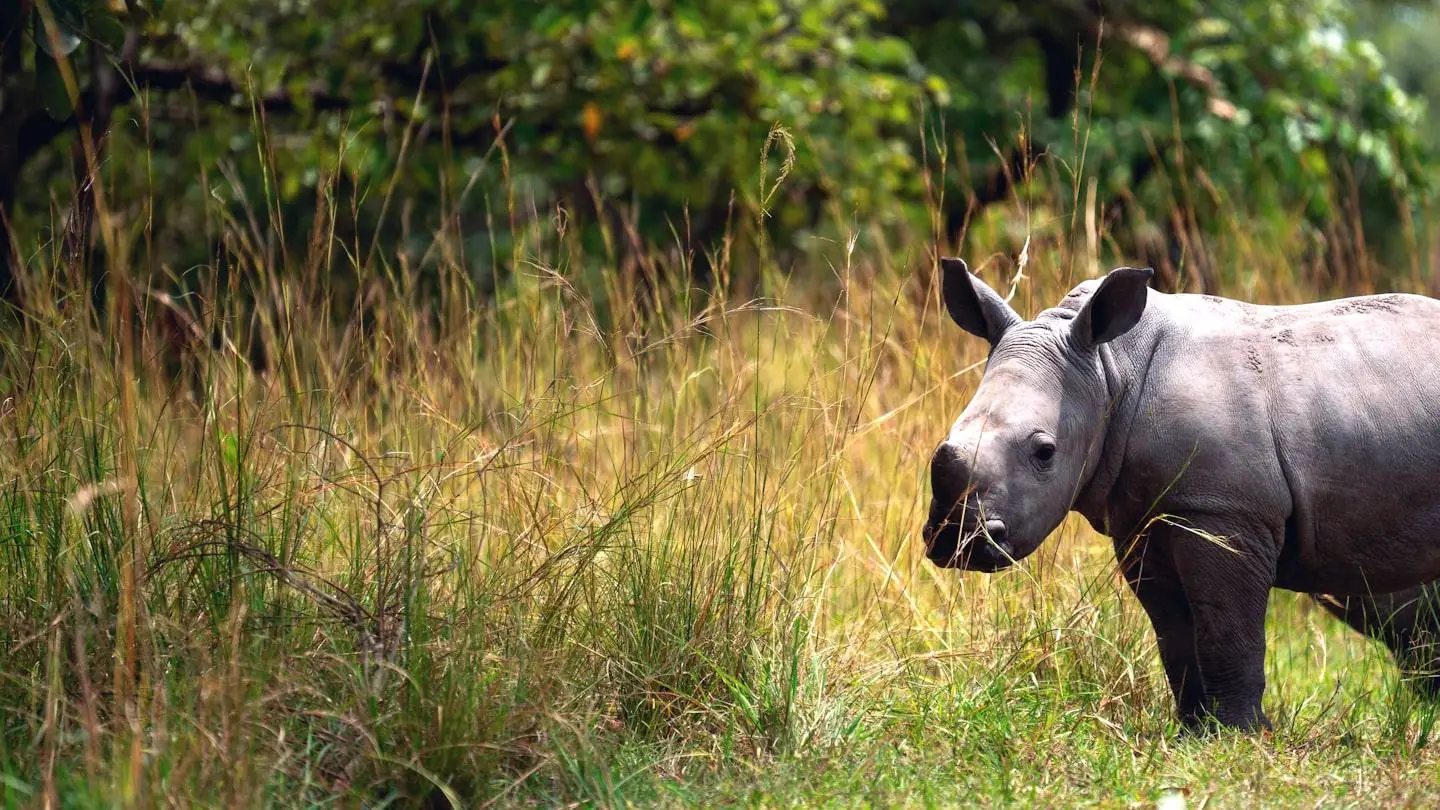
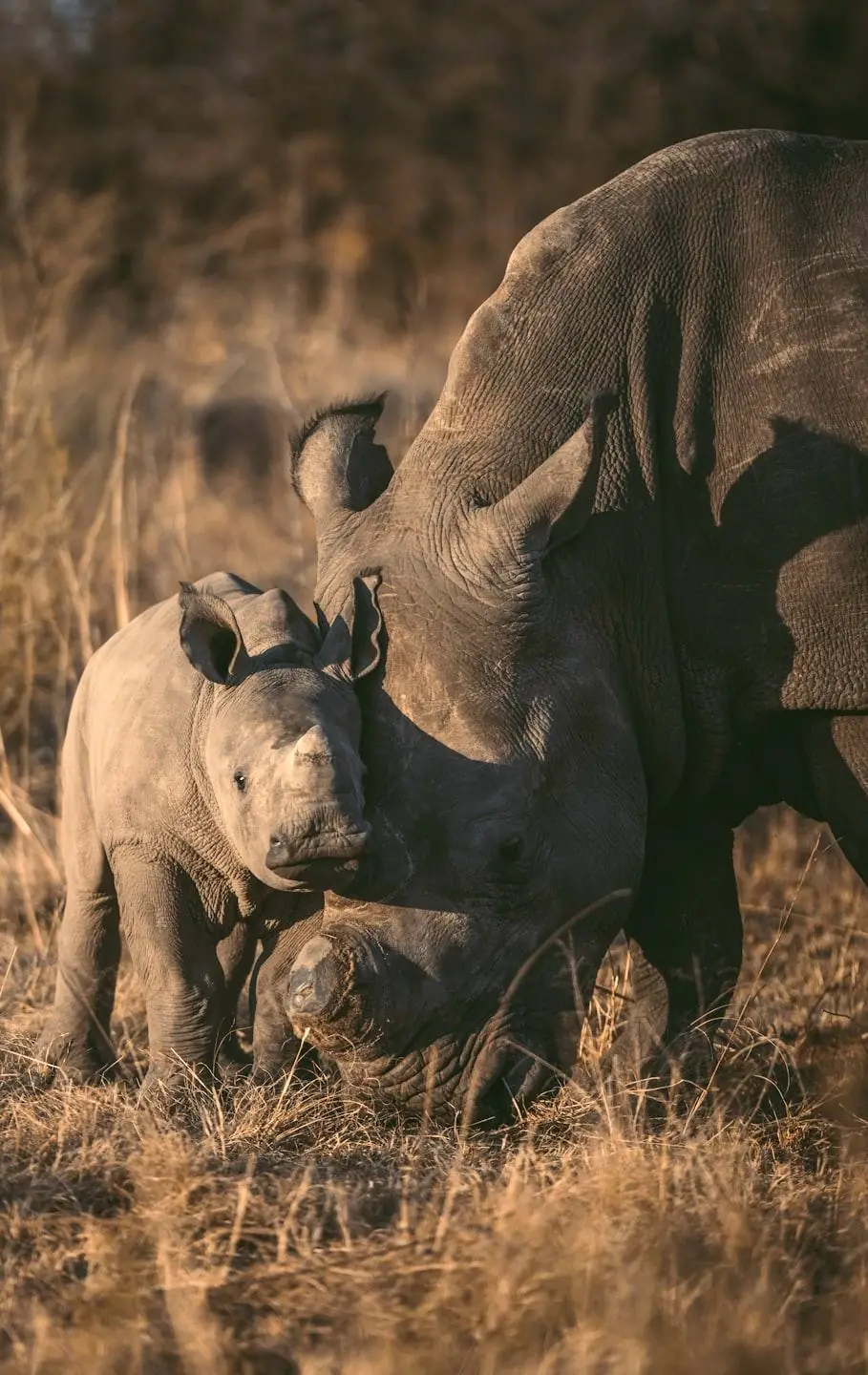
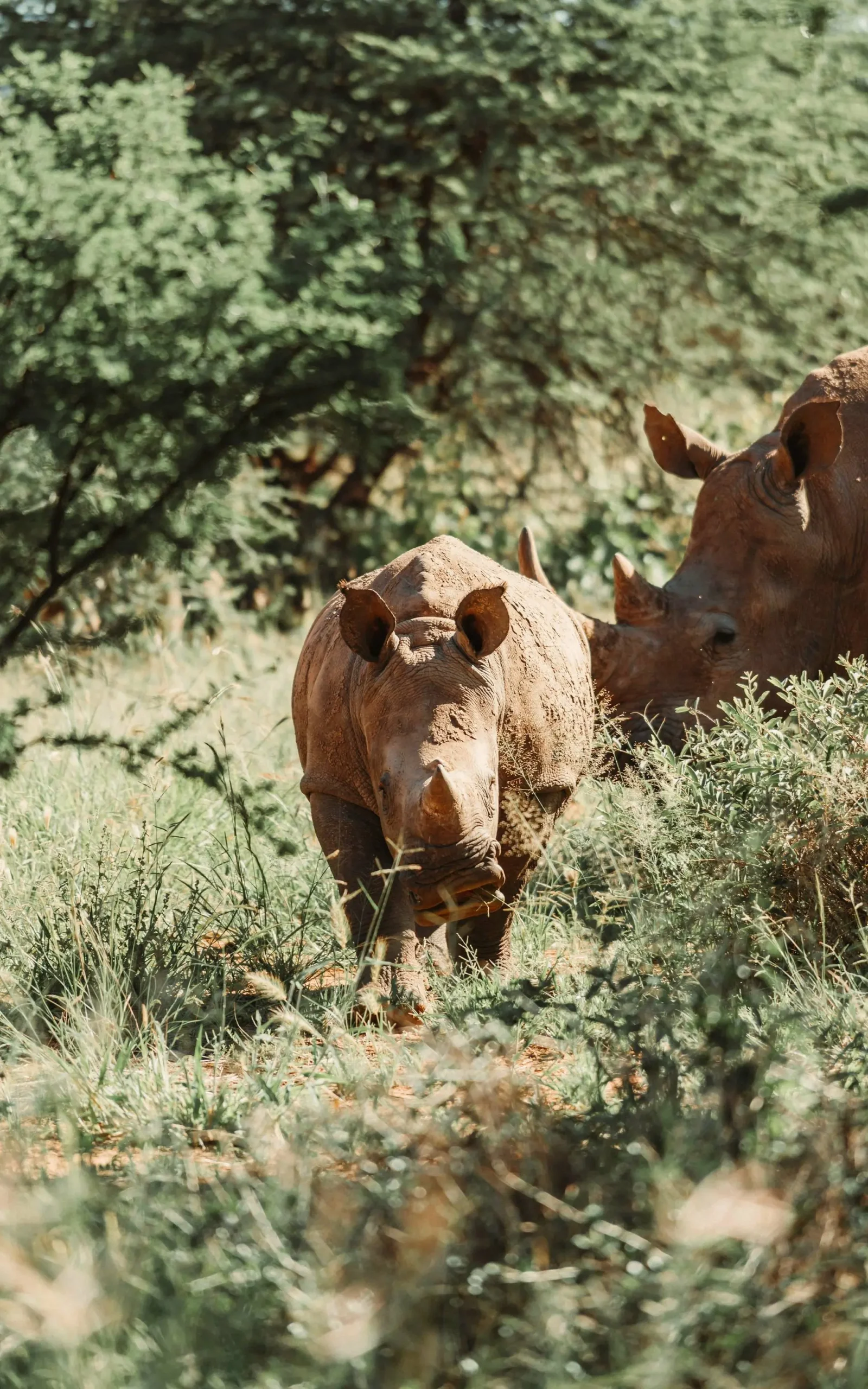
Young rhinos
Every calf counts.
Only around 15,750 white rhinos are left in Africa. Every young rhino that grows up strengthens the population.
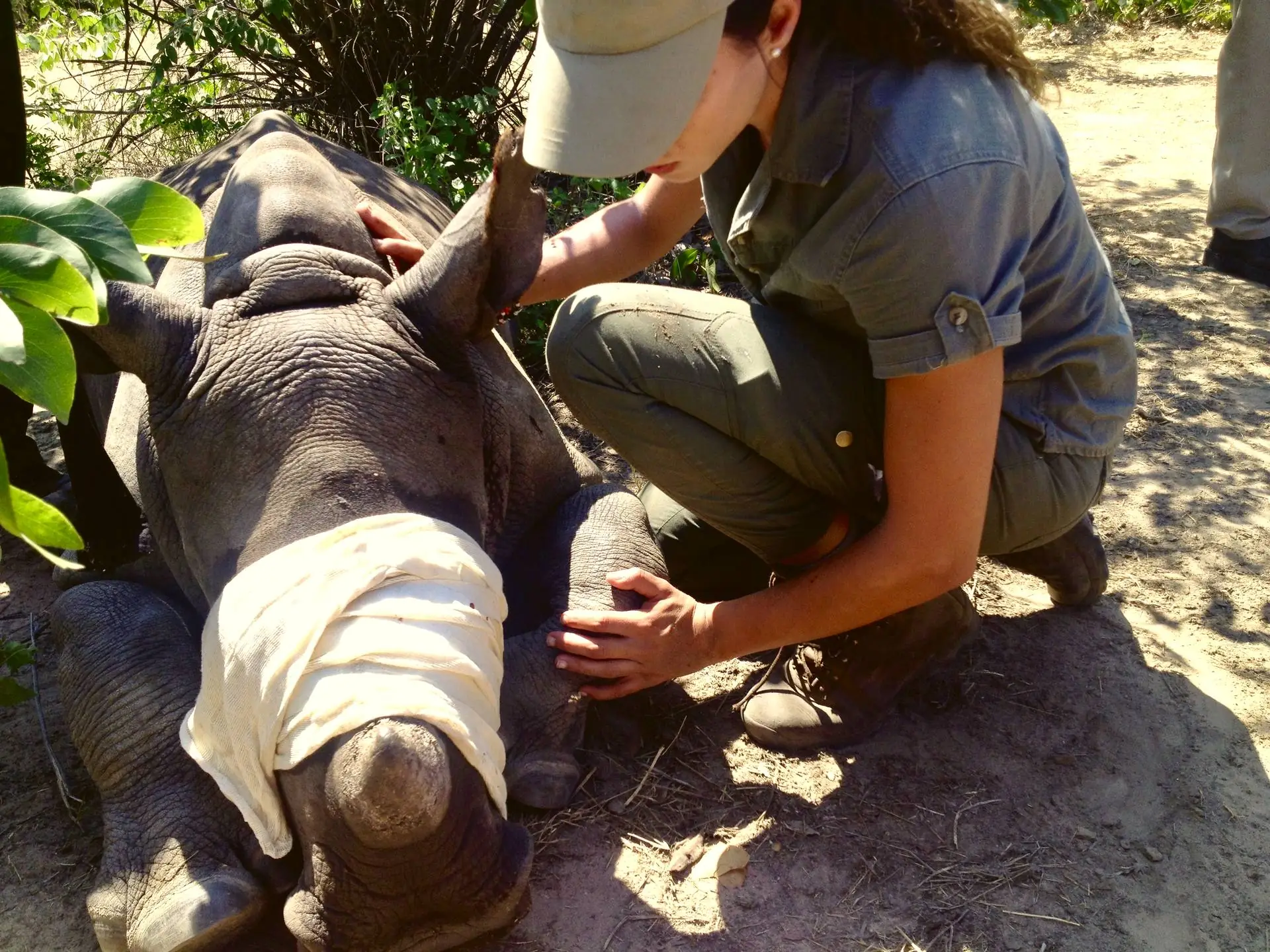
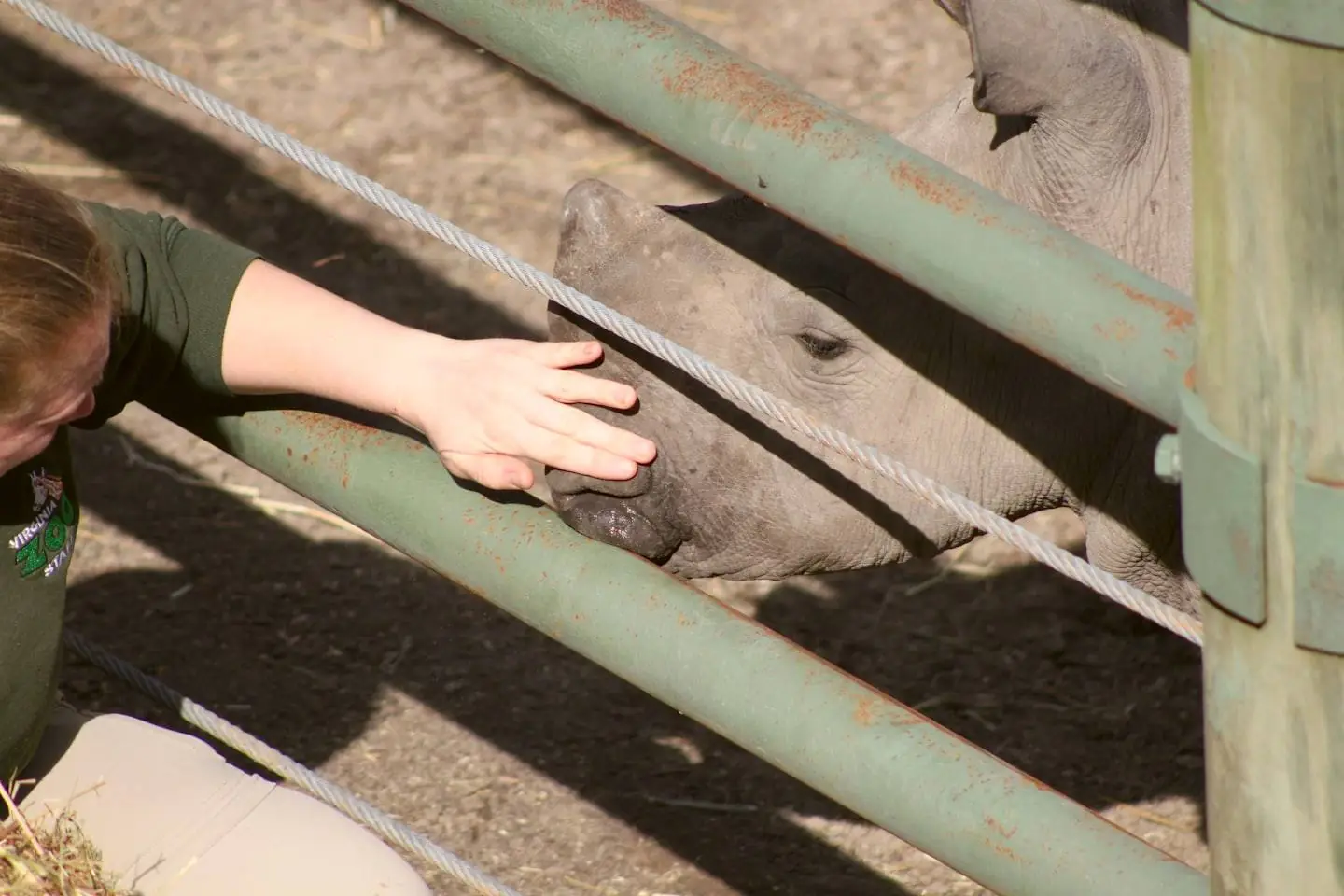
Care and protection
Someone has to look after them.
Vets, rangers and carers are at work every day. Dehorning protects against poaching, but it is demanding and has to be repeated regularly.
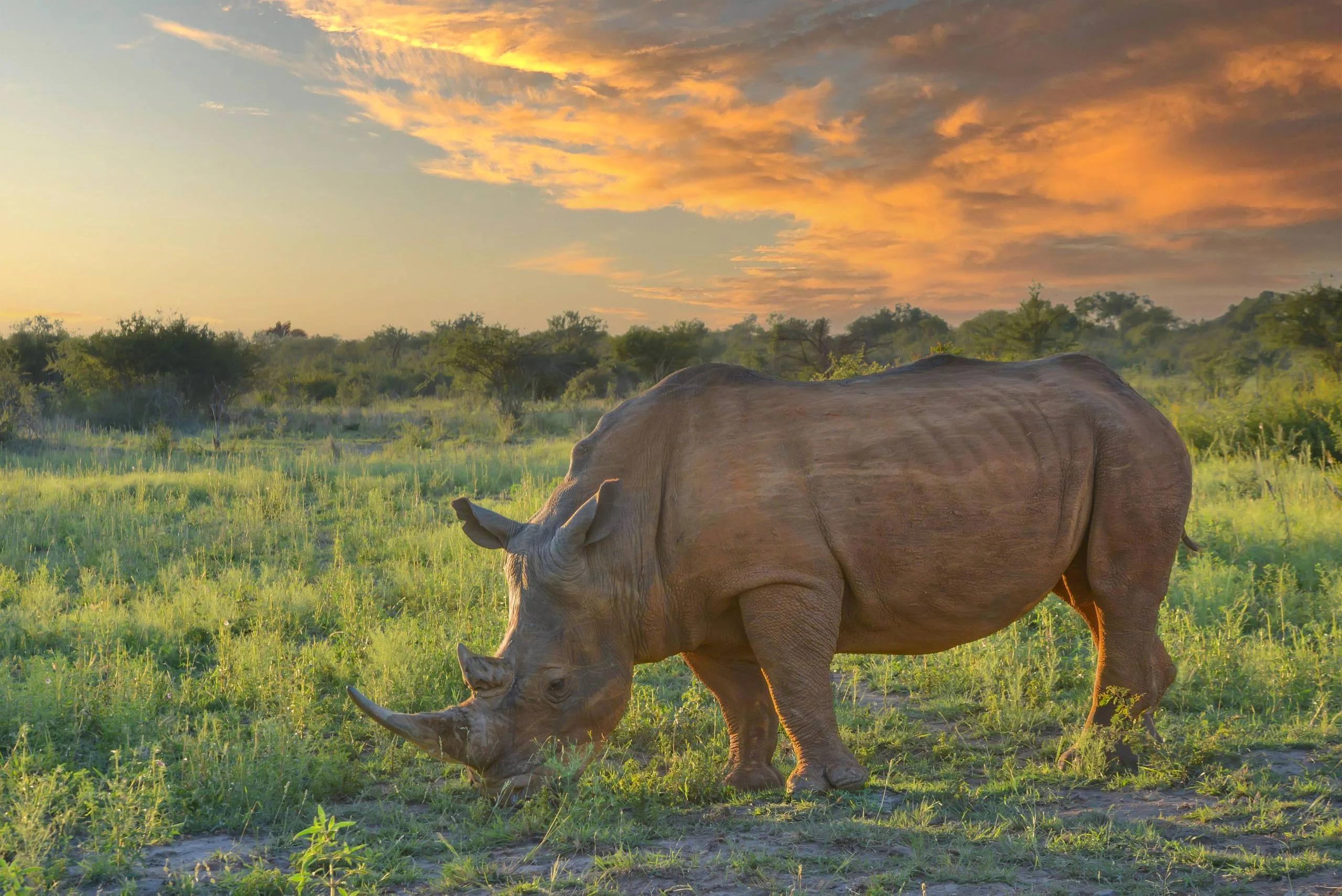
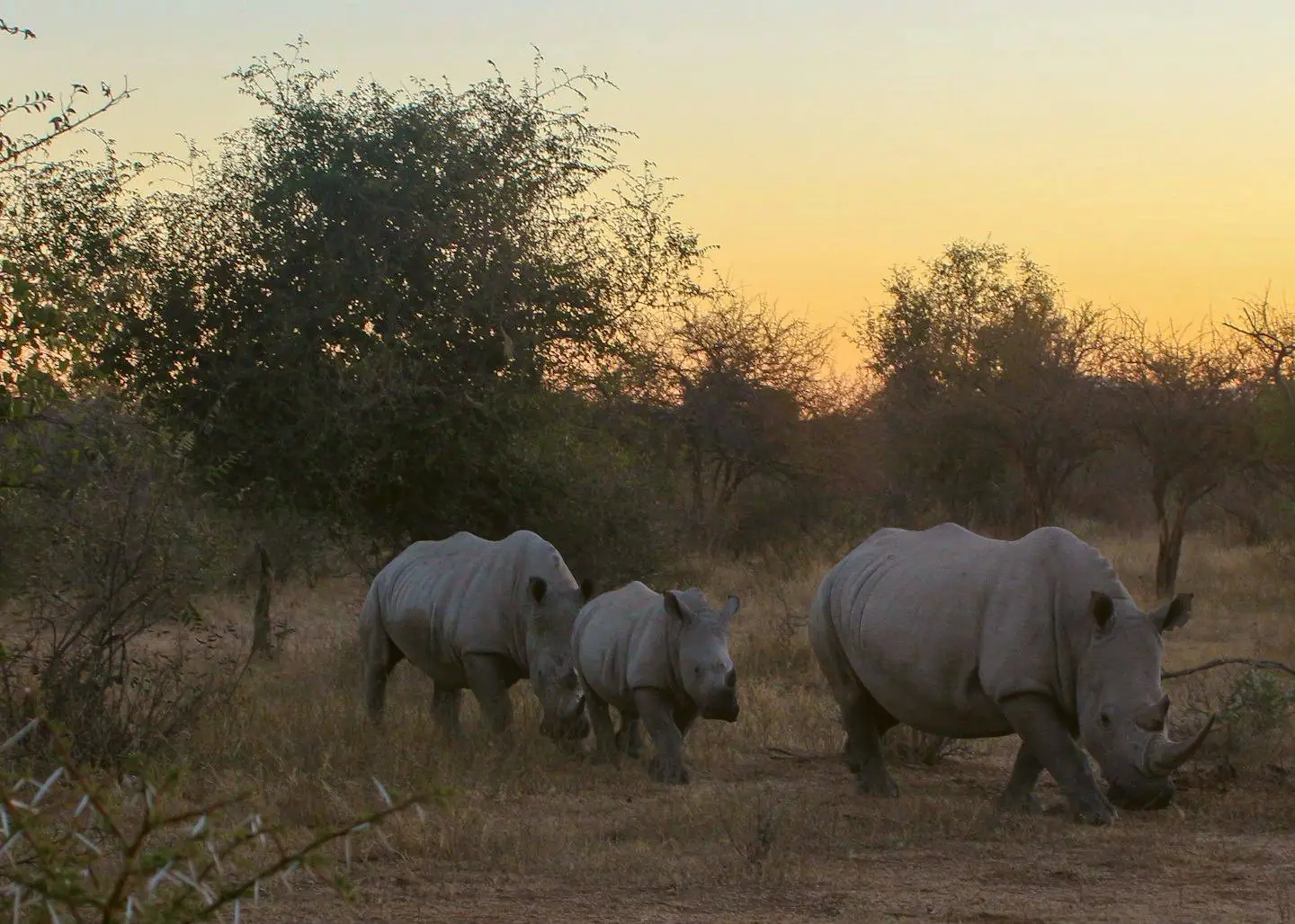
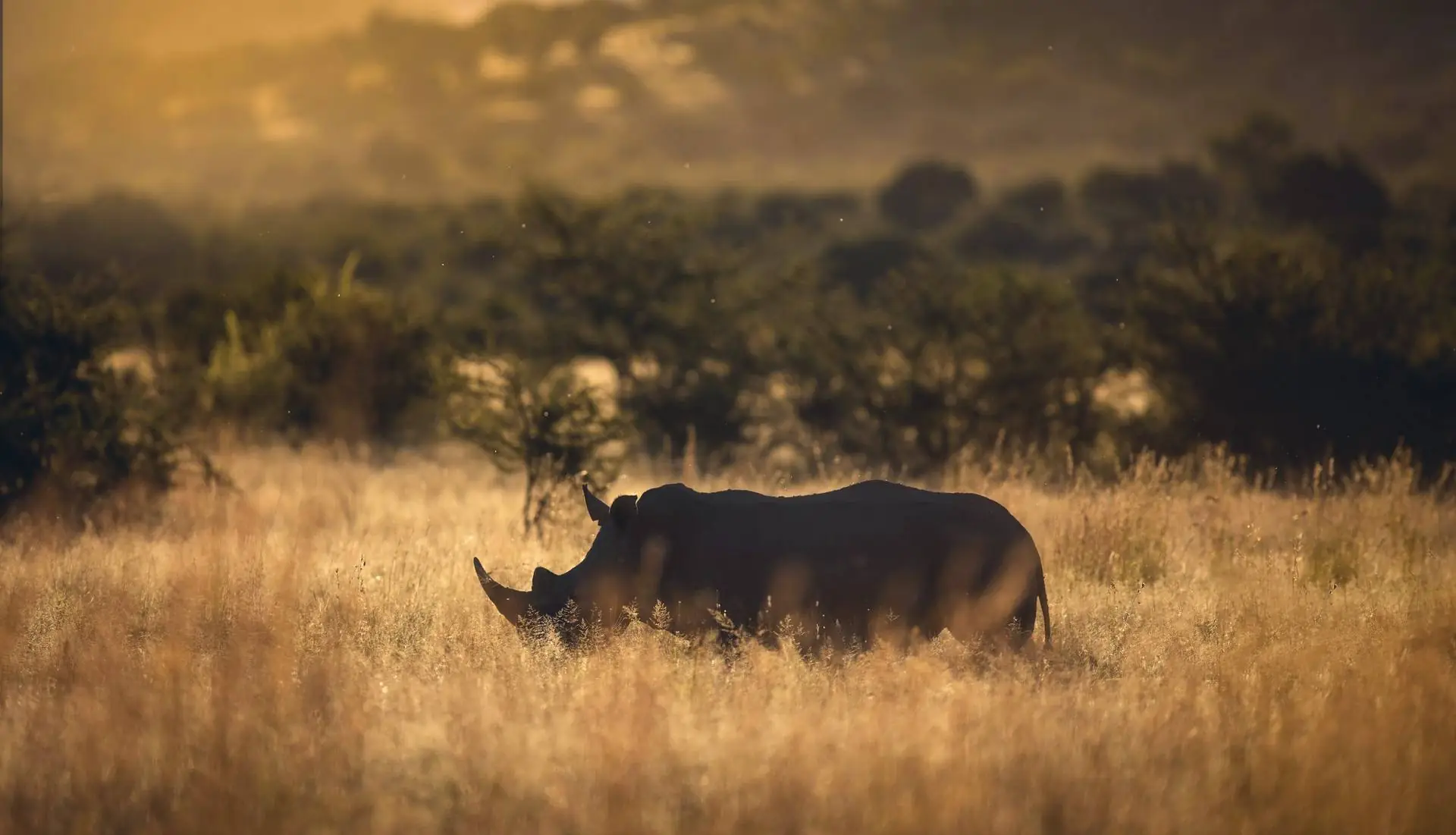
Dusk
So that they can stand here again tomorrow.
On our trip we visited farms and lodges that protect rhinos. We want to help make sure there are no fewer of them.
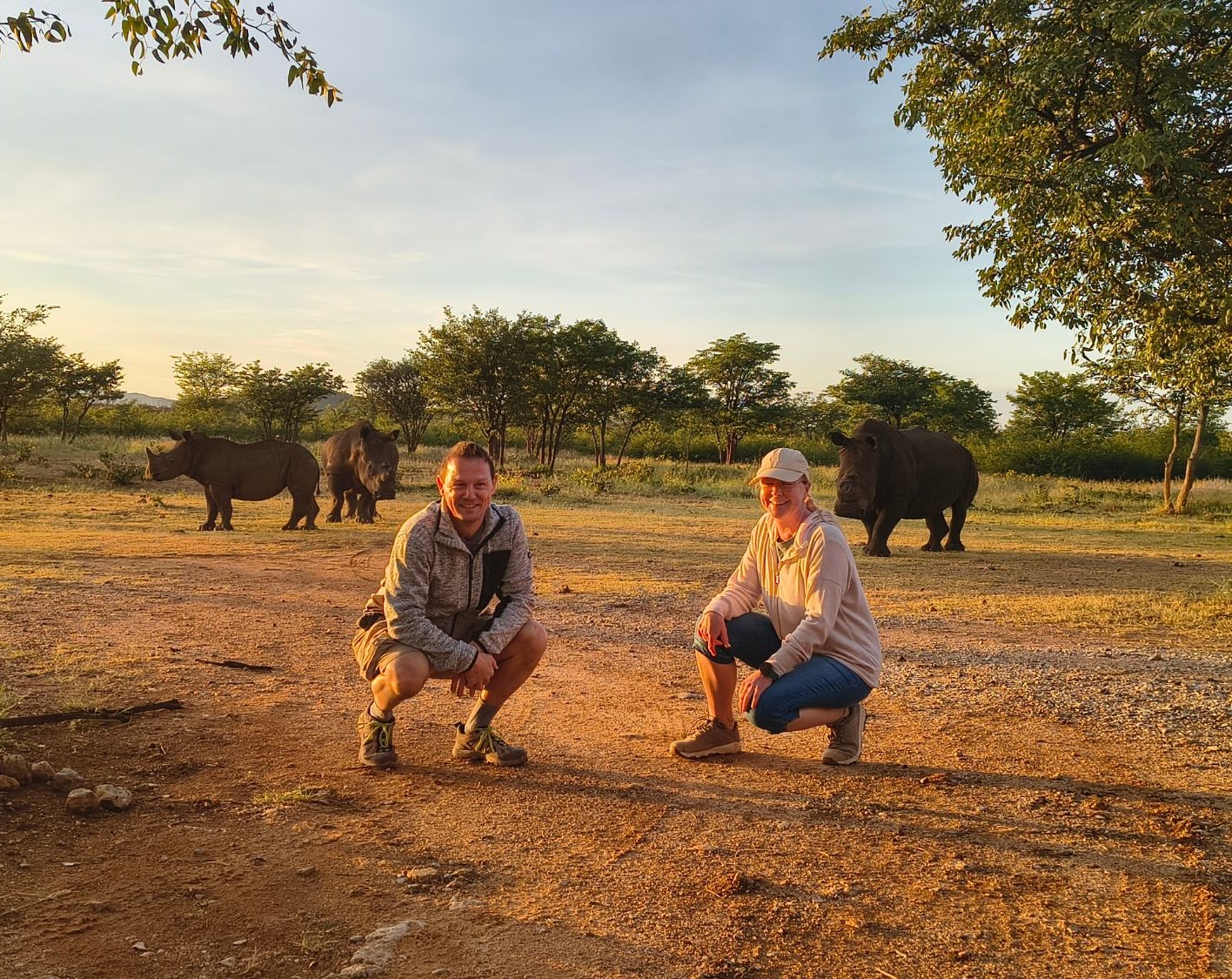
We were there
A week in the reserve. It has never let go of us since.
We worked as volunteers and saw how much effort protection takes. That is why future4rhinos exists.
What we stand for
Three things a rhino needs to survive.
On our trip we saw what protection on the ground needs. We will show you how we use donations and what they achieve as soon as it is documented.
Protection from poachingDehorning and veterinary care
Without a horn, poaching does not pay. The procedure is carried out under veterinary supervision and has to be repeated regularly.
Young rhinosRaising calves
Every calf that grows up strengthens the population.
 Ranger teams
People on the ground
Safety and equipment for the daily work in the reserve.
Our trip in numbers
What we saw.
Population at the end of 2024 according to the IUCN SSC African Rhino Specialist Group (IUCN, 2025).
Two species in Africa
White and black rhino.
White rhino
The larger of the two species, grazing mainly on open savannah.
Near threatenedBlack rhino
Smaller, lives in bushland and browses on leaves and twigs.
Critically endangeredPopulation at the end of 2024 and conservation status according to the IUCN (IUCN, 2025).
Your donation
A calf needs people who care.
Your donation supports our purpose: protecting rhinos.
You will find all bank transfer details on the next page. Non-profit (§ 52 AO), donation receipt available.
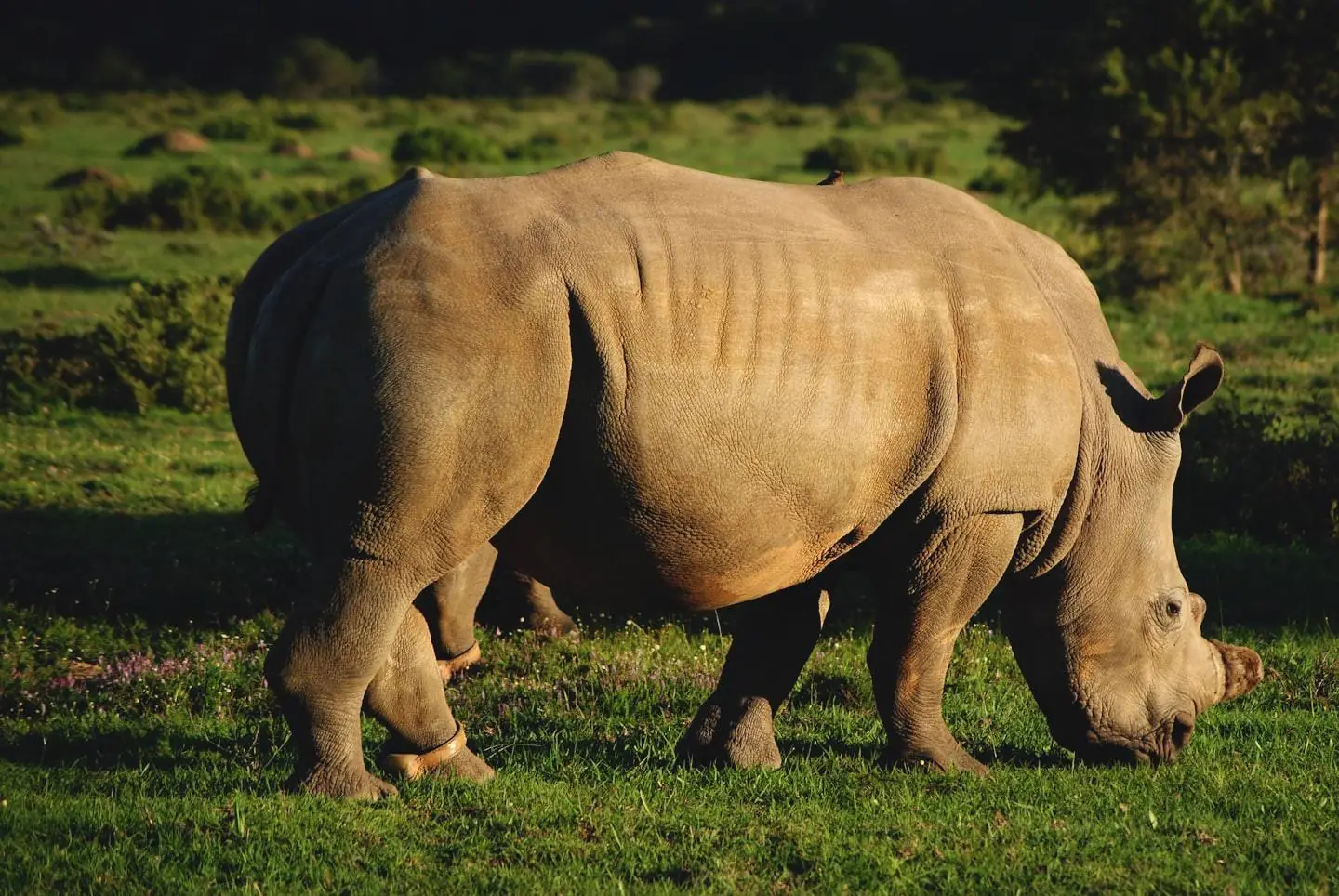
Why we do this
We help where it is needed.
future4rhinos was founded to protect rhinos, independently of any single project. On our trip through Namibia we were able to visit three farms and lodges that work to protect rhinos.
We are in close contact with the conservation organisations and decide by urgency and budget which projects receive our support.
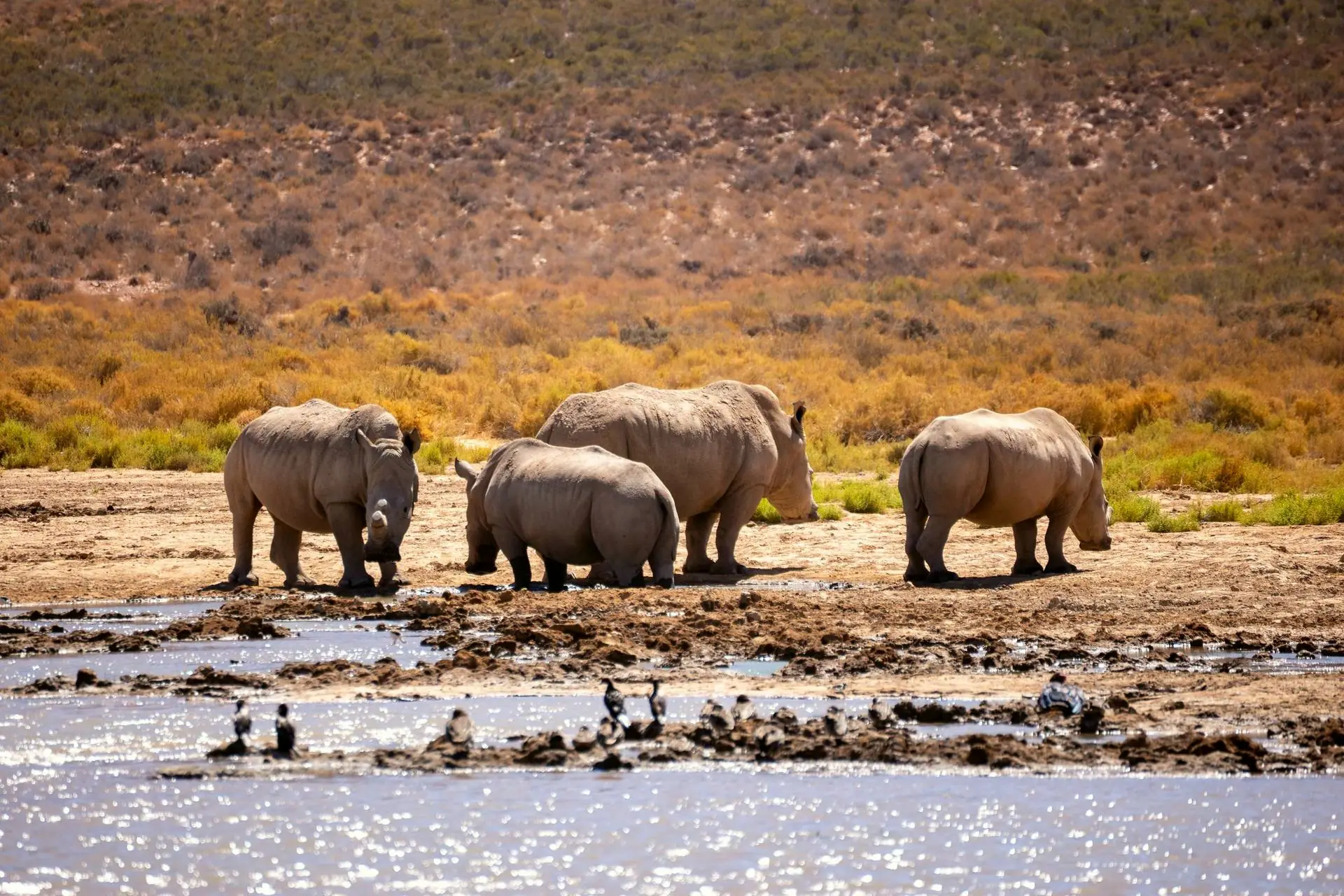
Our projectsImpressions
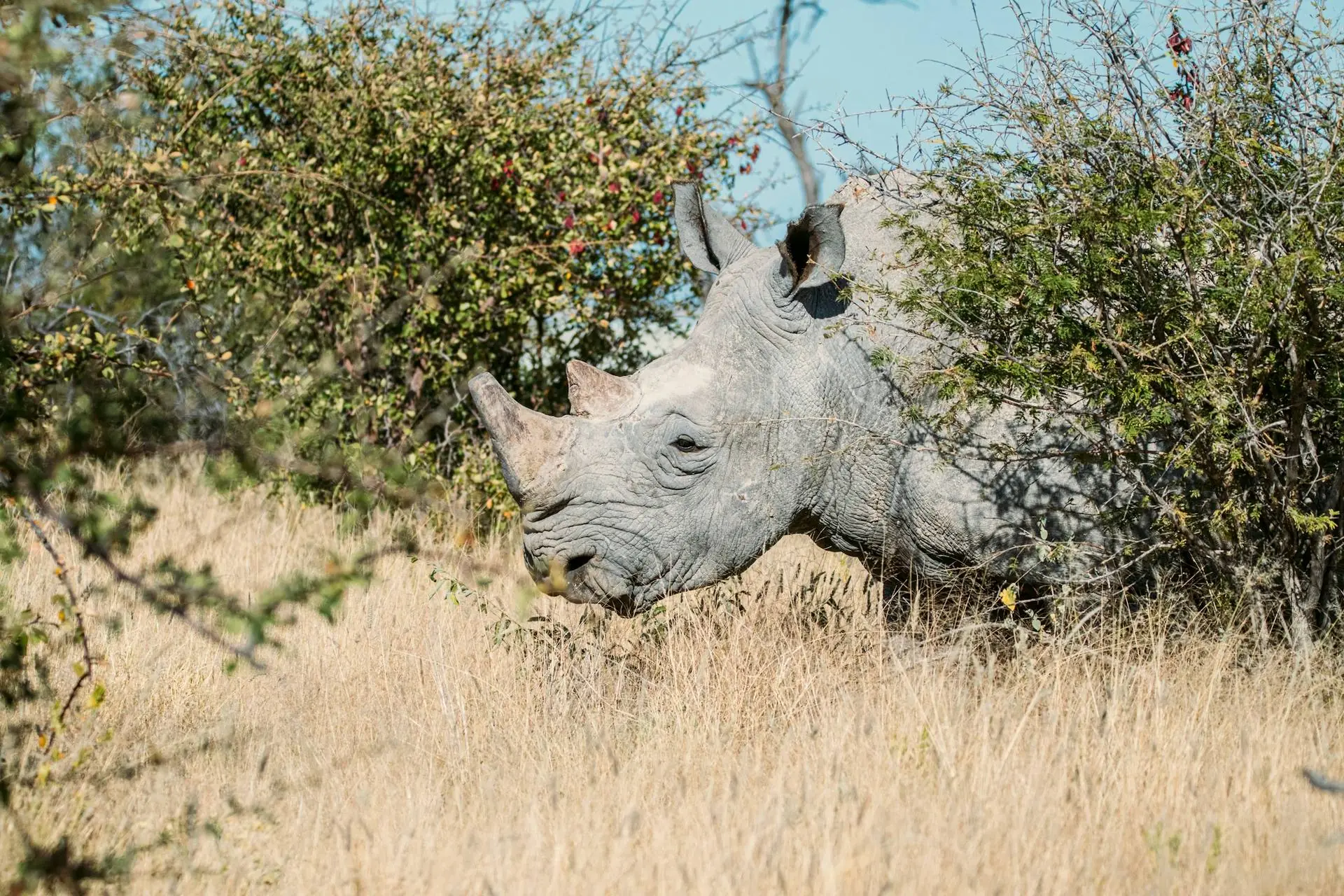
Help ensure that rhinos continue to exist.
Every donation supports our purpose: protecting rhinos.
Donate nowPhoto credits: “Care” photo: Wildspiritfoundation, CC BY 4.0, Wikimedia Commons. Other photos: Frans van Heerden, Jörg Hamel, Mariano Sokal (Pexels), Jules Bassoleil, Rafael Peier (Unsplash), as well as our own photos and photos from the project's surroundings.